Small steps to starting school

Starting school is an exciting step – for your child and for you!

In this section we can help you both to feel confident, prepared and excited for what is to come. 

There are some important skills that schools expect children to be able to do from day one. These are not things like being able to read or write. Instead, they are everyday life skills that help children to settle in quickly and be ready to learn.

You're probably doing lots of lovely things with your little one already, and there is so much you can do at home to build your child’s confidence and independence, helping them feel emotionally and practically prepared to start school.

When should I start helping my child to get for school?

It's never too early! In this section we offer advice and support from age two and upwards.

All the lovely things you do with your child, such as singing with them, reading them stories, helping them learn, to feed and dress themselves, are the small steps towards being ready to start school reception.

As your child reaches the ages of 3 and 4 you can become more focused on the key skills for starting reception.

If you feel you have left it too late with some skills, don’t panic! We have lots of help and support in this section, from toilet training to sleep routines, to becoming independent. Support is available if you need it, from health visitors , school nurses, Family Hubs and other organisations.

What are the key skills needed?

The organisation Kindred Squared has developed a helpful checklist of the key skills that schools expect children to be learning before their first day at school reception. You can find out more about the skills below and by visiting startingreception.co.uk.

Practising these will make your child’s journey to school reception as positive as possible.

If you would like a copy of the Starting Reception booklet, click on this link to download.

Play, creativity and curiosity

  • Taking part in imaginative play (e.g. role play)
  • Drawing, painting, colouring and sticking
  • Counting, building and doing puzzles
  • Sharing story books with caregivers, looking at pictures and talking about the characters
  • Exploring the world around them (e.g. going outside and getting messy, noticing numbers, patterns and shapes, playing safely with objects at home)

Taking care of themselves

  • Putting on/taking off their coat and shoes
  • Using the toilet and washing their hands
  • Getting dressed with little help, e.g. after using the toilet or doing PE
  • Using cutlery (e.g. fork and spoon, chopsticks) and drinking from an open cup
  • Spending time away from you, learning they can be looked after by caring adults

image of a small boy using a megaphone to say hello

Being with others

  • Practising sharing and taking turns with toys
  • Talking to them about how they are feeling and why
  • Looking at story books together and speaking about what characters are feeling is a good way to do this
  • Beginning to recognise what others are feeling, e.g. understanding if a friend is sad
  • Encouraging them to set boundaries for themselves and others (e.g. knowing how to say ‘no’)

Communication and language

  • Singing along with songs and nursery rhymes
  • Talking happily to others about activities, experiences and the world around them
  • Showing they need help by speaking clearly (in basic English or sign language)
  • Recognising the pattern of their name (so they can find it on their coat peg or jacket)

Listening and engaging

  • Paying attention for short periods of time
  • Listening to and following simple instructions
  • Carrying on with a task even when it’s difficult and bouncing back if things go wrong

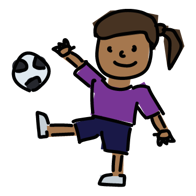
Image of a little girls playing with a football

Getting moving for at least three hours a day

  • Walking up and down steps (one foot at a time, using the wall for support)
  • Climbing, running, jumping and playing
  • Catching a large ball (most of the time)
  • Doing simple puzzles and craft activities, strengthening their grip with cutting and sticking

image of a boy with using a screen and wearing headphones

  • Limiting screen time to the recommended daily amounts (see advice)
  • Going to bed around the same time each night, waking up in time to get ready for school
  • Eating a healthy diet and trying new foods
  • Brushing their teeth with fluoride toothpaste twice a day (you’ll need to supervise this until they are at least 7)

What if my child has additional needs?

All children learn and grow at their own pace, and some skills may not be right for your child just yet, but if you are worried, then getting help early can make a big difference. Talk to your child’s nursery, childminder, health visitor, or your local Family Hub for advice and support.

Once your child has been offered a place at school reception, it’s important to share any worries with their new teacher. This helps the school understand your child and support them in the best way.

Some children, such as those born in the summer or children who are learning English as an additional language (EAL), may need a little more time or support at the start.

Support for you

We have lots of advice, top tips and local support available to help you on this journey. Just press next below, or select a page you would like to read from the menu. 

Last updated: